
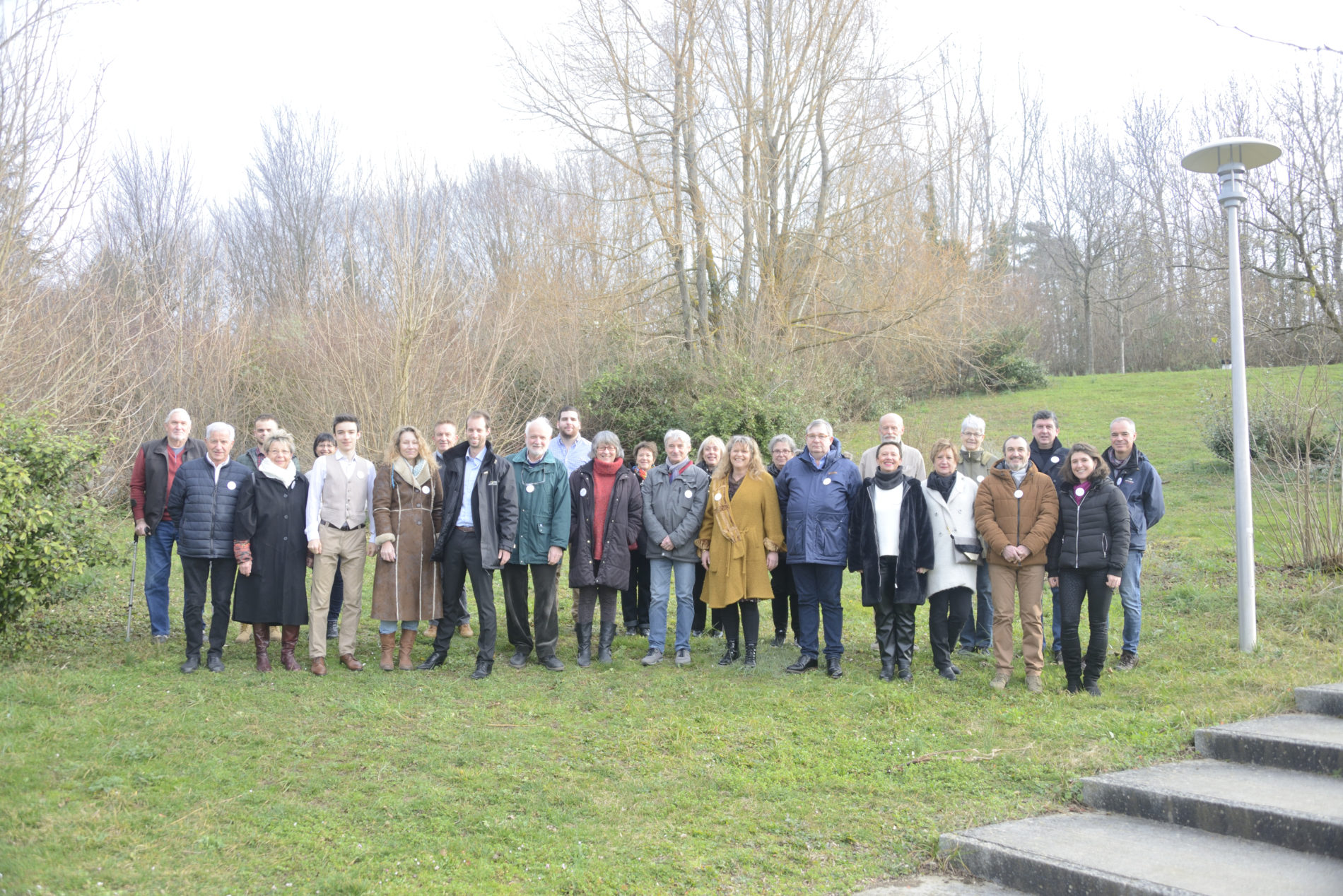
Vivons Notre Ville | Ambérieu-en-Bugey Equipe et association au conseil municipal
Q: What elements combine to create that unmistakable cinematic vibe?
A: Think of it as a film set rendered in pixels: layered lighting, cinematic color grading, and a soundtrack that breathes around the interface. A cinematic tone emerges when designers balance spectacle with restraint — bold highlights that catch the eye, shadowed corners that suggest depth, and intentional pacing of animations so transitions feel like scene cuts rather than interruptions.
Q: Can color palettes and iconography actually change how someone feels while browsing?
A: Absolutely. Warm, jewel-toned palettes invite indulgence and nostalgia; cool, minimalist schemes convey precision and luxury. Iconography plays a starring role too: ornate emblems and textured backgrounds suggest tradition and mystique, while flat, geometric symbols lean modern and efficient. Even within a single portfolio, studios often use contrasting visual languages to signal different moods — from baroque opulence to slick futurism.
For a concrete reference to how thematic imagery and soundscapes align in thematic slots, many write-ups explore titles like casino cleopatra slots to illustrate cohesive art direction paired with atmospheric audio.
Q: How do designers arrange elements so the experience feels immersive rather than cluttered?
A: Successful layouts prioritize hierarchy and breathing space. Key content — whether a featured table, a live-stream dealer, or a promotional banner — is framed with ample margins and subtle visual anchors so attention flows naturally. Motion is selective: micro-interactions give feedback, while larger animations mark transitions. The interplay of static and kinetic elements determines whether a screen reads as dynamic theatre or visual noise.
Focus zones: clear, uncluttered regions where primary interactions occur.
Accent lanes: narrow bands or side panels that host secondary content like leaderboards or chat.
Visual rhythm: a measured cadence of movement and stillness to avoid sensory overload.
Q: Does a casino’s backstory or brand voice genuinely affect the player atmosphere?
A: Yes — narrative anchors a visual identity. When branding leans into a mythos (ancient empires, high-roller glamour, futuristic heists), every visual choice becomes a piece of storytelling: typography mimics era-specific scripts, animations echo thematic motifs, and sound design underscores the narrative beat. This consistency makes the environment feel authored rather than assembled, and it invites players to inhabit a mood rather than merely click through options.
Brand voice also sets the relational tone: witty, irreverent copy paired with bold, saturated visuals creates a different emotional register than refined, composed messaging coupled with muted luxury colors.
Q: What subtle sensory techniques convey presence in a digital space?
A: Presence is built from restraint and detail. Here are common cues used thoughtfully across modern interfaces:
Sound motifs: short, signature tones that mark wins, selections, or transitions without dominating the soundscape.
Micro-animations: tiny responsive motions that indicate interactivity and make elements feel tactile.
Layered depth: shadow, blur, and parallax to suggest physical space and focus.
Material texture: subtle grain, metal, or fabric-like finishes that imply quality and tactility.
Q: How do these design decisions translate to player memory of a site?
A: Memorable design often hinges on a handful of repeatable moments — an opening animation, a signature sound, or a distinctive color snap. When those moments are consistent, they create a mental shorthand: users can recall the feel of a platform as quickly as they remember a favorite song’s chorus. That recall is a form of atmosphere; it’s how a site lingers beyond a single session.
Q: Should atmosphere prioritize novelty or familiarity?
A: Both have roles. Familiarity reduces friction and comforts, while novelty captures attention and sparks curiosity. The most compelling environments layer recognizable interaction patterns with fresh visual flourishes so the experience feels safe enough to explore but interesting enough to remember.
Q: What’s the lasting appeal of design-forward casino platforms?
A: Beyond the immediate functionality, design-forward platforms offer a mood — a crafted backdrop for moments of leisure. They invite users not just to play, but to inhabit a styled experience where color, sound, and motion collaborate to create an evening’s ambiance, a quick thrill, or a quiet moment of escape.
