
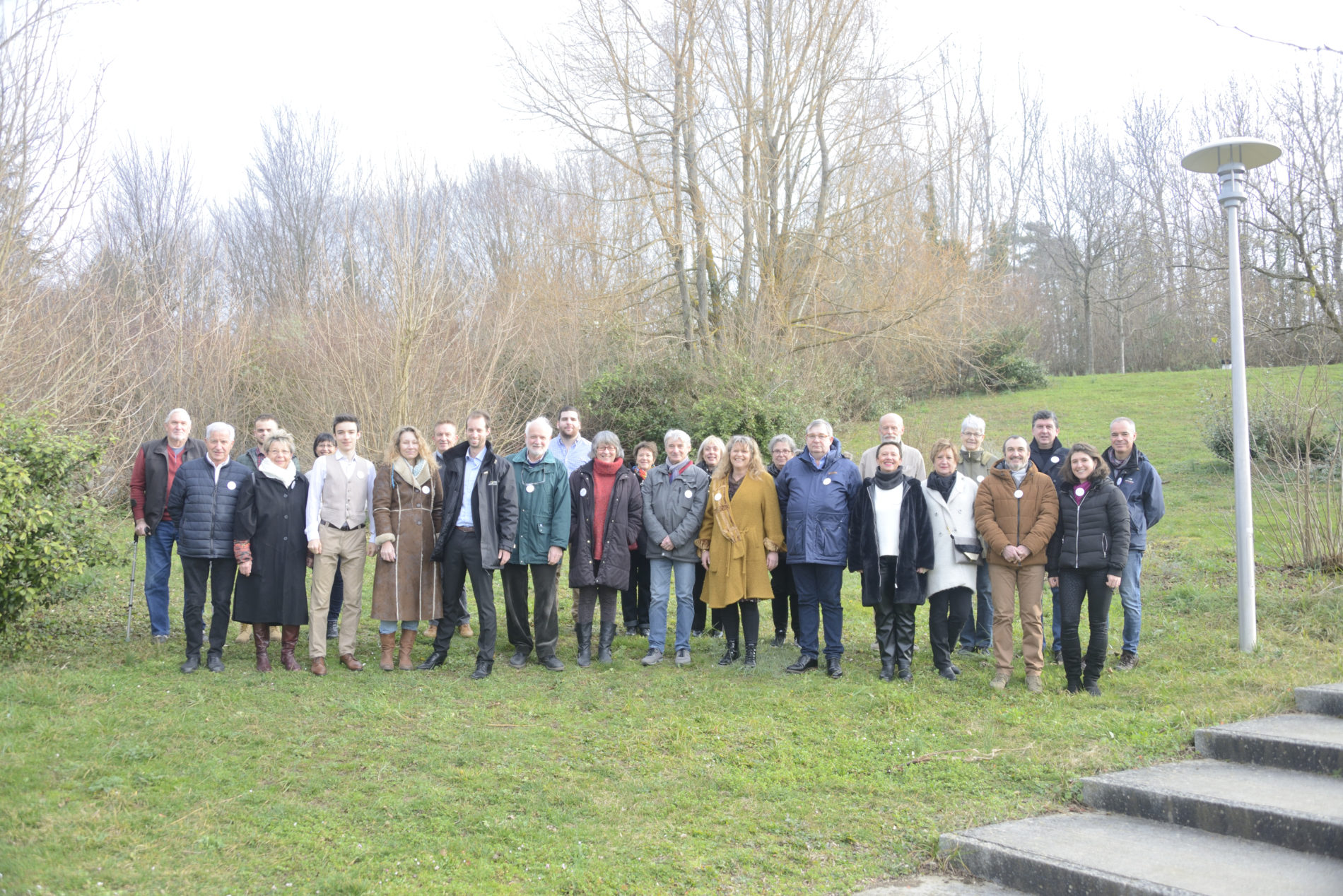
Vivons Notre Ville | Ambérieu-en-Bugey Equipe et association au conseil municipal
Design is the first language a casino speaks to its visitor. Color palettes, logo treatments, and hero imagery set expectations immediately: a palette heavy on dark blues and golds suggests a plush, exclusive lounge, while brighter tones and flat iconography communicate a playful, approachable arcade. Visual hierarchy—how banners, callouts, and game tiles are layered—guides attention without needing words, and consistent use of typography and spacing turns a chaotic feed of games into a curated shelf. The best sites treat their landing page like a lobby, where a single glance reveals personality and purpose.
Animated elements and micro-interactions contribute to that initial feeling of polish. Subtle hover states, card flips, and loading transitions can make navigation feel tactile and intentional, while overly flashy animations can quickly tip into visual noise. A considered balance between motion and stillness helps the design breathe, allowing the content to assert itself without competing with decorative flair. For many users the visual tone determines whether they linger, explore, or move on.
The layout is the choreography behind a smooth visit. Clear pathways—prominent search, logical categories, and predictable placement of frequently used functions—let users form a mental map of the site. Grid systems and consistent card sizes create rhythm, and responsive breakpoints that preserve this rhythm across devices reinforce a dependable brand identity. Thoughtful margins and contrast make dense information readable, turning a complex catalog of titles into something approachable and browsable.
Payment interfaces and transaction flows are often designed to be unobtrusive yet visible, integrating recognizable icons and reassuring copy. For an external view of how some Canadian platforms present payment options, see h5bp.com, which provides a snapshot of common patterns. These areas demand clarity: labels, status indicators, and confirmation cues should be straightforward so the layout does not become a source of friction.
Beyond visuals, mood-setting elements like sound, ambient motion, and imagery craft the emotional tenor of an online casino. Background audio—subtle chimes, a low-energy soundtrack, or the quiet click of chips—can feel like the soundtrack of a brick-and-mortar floor when used sparingly. Visual cues such as theater-style banners, neon accents, or cinematic backgrounds influence whether the experience feels cinematic, retro, or minimalist. Designers decide whether they want guests to feel like spectators, participants, or social members of a club.
Lighting effects and contrast levels also affect perceived atmosphere. High-contrast dark themes with reflective surfaces emulate an upscale nightlife venue, while lighter themes with card-suit motifs and cheerful icons feel more like a casual game night. Accessibility considerations—legible fonts, sufficient contrast, and clear focus indicators—help maintain tone without excluding users, allowing the mood to be inclusive rather than alienating.
Design decisions inevitably have trade-offs; what creates a distinct atmosphere for one audience can be a barrier for another. Below are some common strengths and weaknesses that emerge when focusing on design and atmosphere.
Pros: Strong visual identity gives sites personality, improves retention, and helps users find relevant content quickly.
Pros: Thoughtful micro-interactions and motion create a sense of responsiveness and polish, elevating perceived quality.
Pros: Consistent layout patterns across devices foster familiarity, reducing cognitive load and making exploration effortless.
Cons: Heavy visual treatments and loud animations can distract from core content, turning atmosphere into clutter.
Cons: Over-reliance on themed motifs may date the site quickly or narrow its appeal to a specific demographic.
Cons: Prioritizing visual flair over clarity can obscure important information and create frustration during key interactions.
Good design in this sector is less about following a trend and more about creating a coherent, navigable space where atmosphere complements function. When visuals support clarity and tone supports trust, the result is a digital environment that feels both intentional and inviting.
