
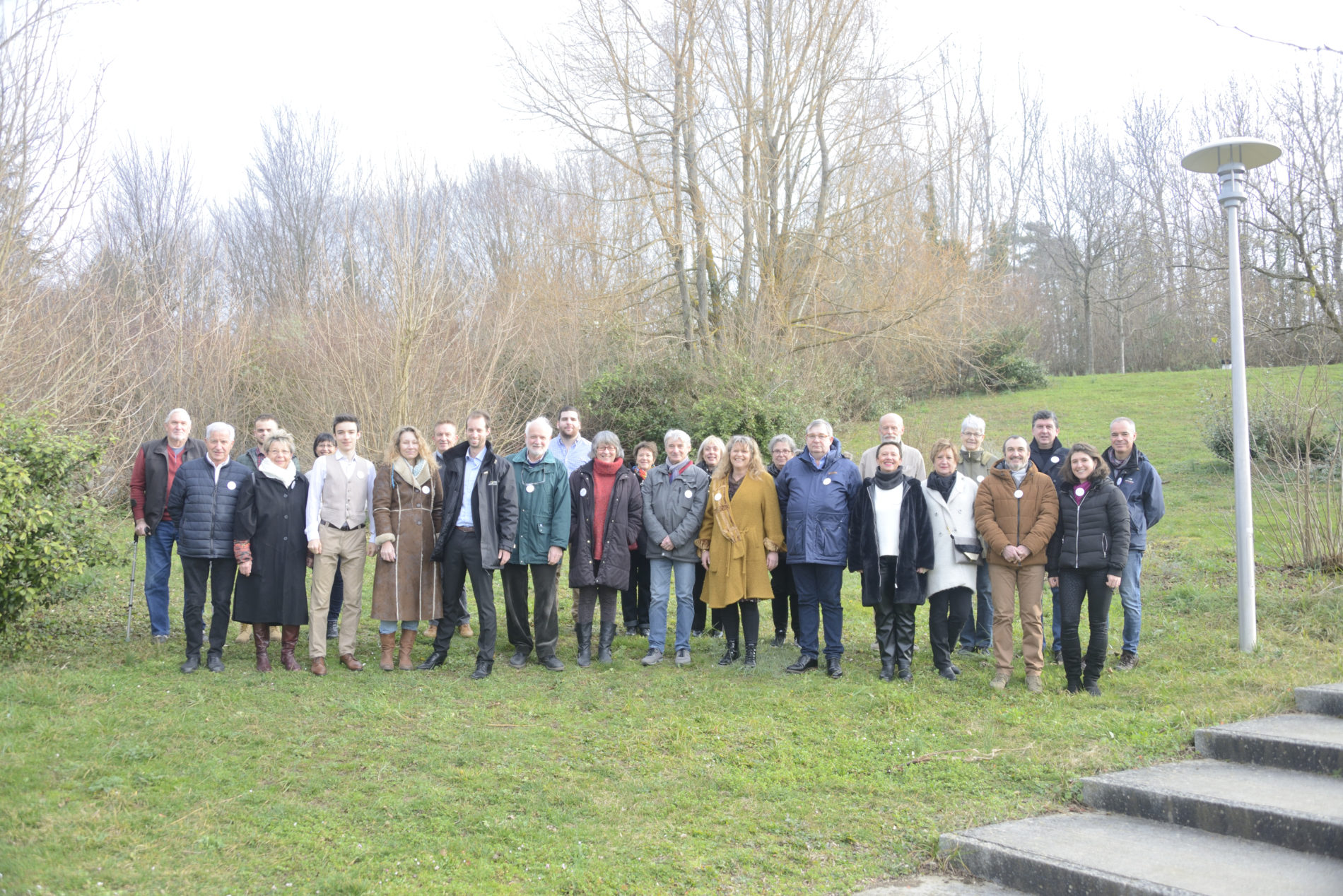
Vivons Notre Ville | Ambérieu-en-Bugey Equipe et association au conseil municipal
The look and color palette of an online casino often sets the mood before any buttons are pressed. Dark, jewel-toned lobbies with glints of gold create a sense of luxury and exclusivity, while bright, playful palettes signal a faster, more casual experience. Typography, iconography, and the choice between skeuomorphic or flat design all communicate intent: whether the site wants to feel like a high-roller lounge, a neon arcade, or a sleek modern app. Designers increasingly treat the casino homepage like a theater set, controlling sightlines so featured content draws the eye without overwhelming it.
On mobile, scale and touch affordances change how themes read; small details that read as deliberate on desktop can feel cluttered on a phone. Designers compare patterns and templates to find what keeps the atmosphere intact across screens, and resources that catalogue mobile-first approaches can be useful for reference, as with this overview: https://poiedit.com. The goal is cohesion: from hero images to tiny badge icons, everything should contribute to a unified mood rather than scream for attention.
Soundtracks, effects, and animation play a subtle but powerful role in shaping the experience. A soft ambient track in the background can add warmth and continuity; short, percussive clicks can make interactions feel responsive. Motion—micro-animations on hover, parallax scrolling in promotional banners, and animated transitions—helps the interface feel alive and reduces the perceptual friction of waiting. When done sparingly, these sensory cues guide without commanding attention.
However, sensory design is a balancing act. Too much animation or aggressive sound can make the interface feel like a carnival or create fatigue over long sessions. Thoughtful toggles and sensible defaults allow the atmosphere to remain inviting rather than intrusive, letting players enjoy the staging instead of battling it.
Layout determines how a player navigates the entertainment offered and can influence perceived pace. A generous, roomy grid with clear visual hierarchy invites browsing and discovery; dense walls of thumbnails push toward quick selection and rapid movement between games. Pacing is controlled by composition: the spacing between modules, the order of promotional content, and the presence of breathing room all affect whether the interface feels like a calm lounge or a buzzing arcade.
Good layout favors readable groupings, predictable navigation, and a clear visual rhythm. Designers often use contrast and scale to highlight featured content while keeping secondary options accessible. Yet layouts can also betray intention—cluttered menus and indistinguishable cards can make a polished aesthetic feel chaotic, so restraint is as much a design choice as ornamentation.
Many platforms aim to replicate the social hum of a casino floor through chat features, community leaderboards, and live dealer rooms. Visual cues—avatars, live video frames, chat bubbles—create a sense of presence that helps humanize the digital environment. Lighting, background staging, and camera angles in live streams contribute to the intimacy or formality of a room, with some setups feeling like a private salon and others echoing a public club.
That social layer can be a powerful way to vary atmosphere: quiet, candlelit tables for focused interaction, or high-energy streams with animated overlays for communal excitement. Designers must balance visibility and moderation, ensuring social features enhance the shared experience without muddying the visual clarity of the main interface.
Design is ultimately the storyteller of online casino entertainment. It sets expectations, frames emotions, and structures time. When treated with care—balancing spectacle with clarity, movement with stillness, and social life with personal space—the digital casino can offer a wide range of atmospheres to suit different tastes. Fine design doesn’t promise action; it creates a stage where the experience feels intentional and well-paced.
