
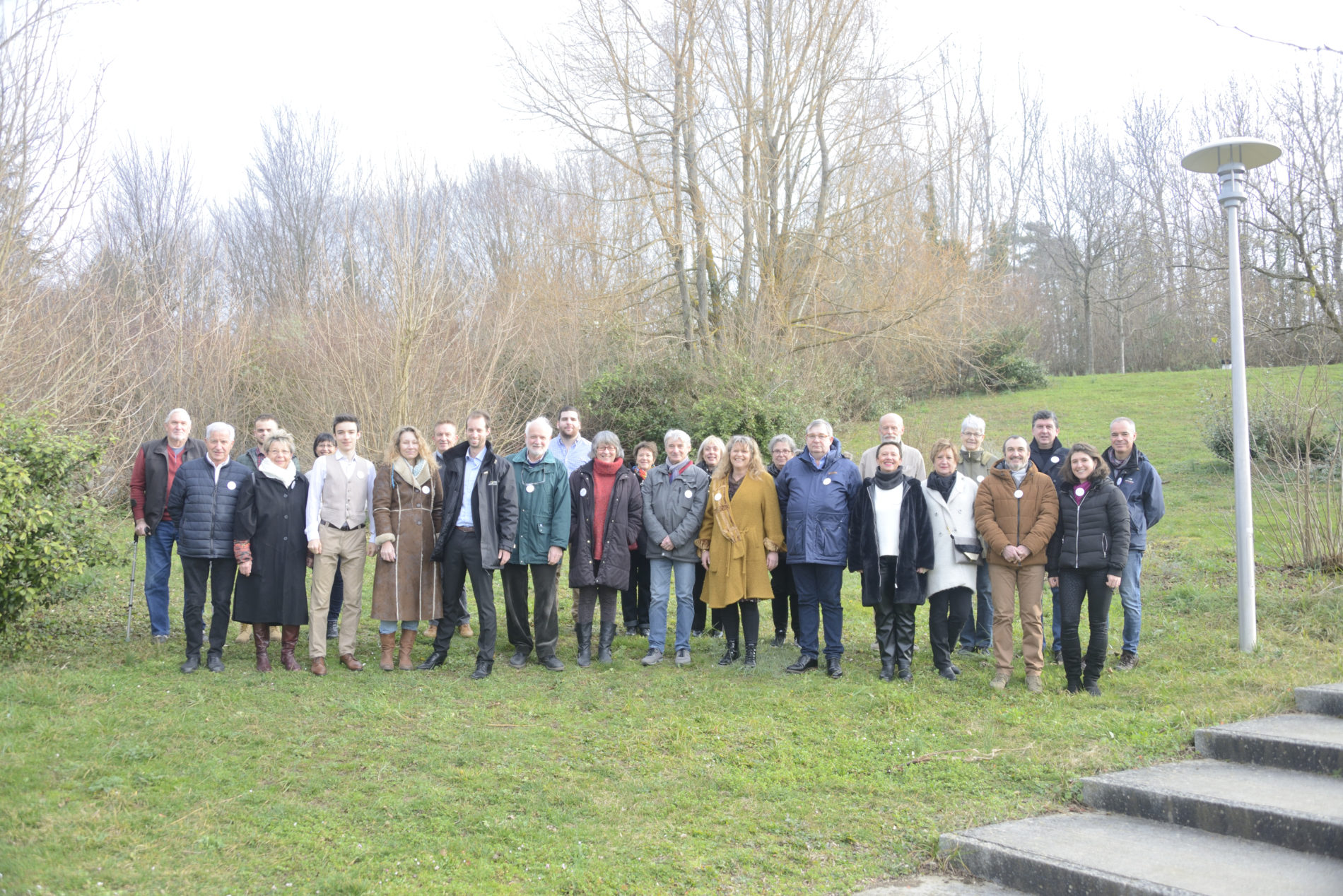
Vivons Notre Ville | Ambérieu-en-Bugey Equipe et association au conseil municipal
Q: What’s the first tiny detail that signals quality? A: It’s often the welcome animation — a short, crisp sequence that sets tone without overstaying. Those few seconds tell you whether the designers cared about mood and pacing, not just function.
Q: Are interface microinteractions really meaningful? A: Absolutely. Subtle haptics on mobile, gentle hover glows on desktop buttons, and smart, contextual tooltips add up. They make navigation feel intentional and tactile, like a finely tuned door latch instead of a squeaky hinge.
Q: Can branding smallness elevate the whole affair? A: Yes. Cohesive fonts, a consistent color palette across screens, and tasteful iconography create a sense of place — the difference between a pop-up shop and a boutique hotel lobby in digital form.
Q: Is audio design just background noise? A: Not when it’s done well. Layered soundscapes — a quiet ambient hum for lobbies, crisp clicks for menus, and warm, non-intrusive cues for milestones — turn moments into memories without becoming a shouty soundtrack.
Q: What about visuals beyond flashy graphics? A: The small stuff: tasteful shadows, micro-animations for card reveals, and realistic table textures. These details quiet the interface and let the core experience breathe, like fine linen underlaying a dish.
Q: Does community matter in a solo activity? A: Definitely. Shared chat threads with moderated, topical conversation and curated events make sessions feel social rather than solitary — like being in a lounge where conversations start naturally and decay gently.
Q: Are live dealer rooms just about realism? A: They’re also theater. Small theatrical touches — real-time dealer banter that’s well-paced, tasteful table decorations, and camera framing that feels like a cozy studio — create warmth and personality beyond the mechanics of a table.
Q: Can premium social features be subtle? A: Yes. Private tables, soft notification tones for friends joining, and non-invasive presence indicators let you socialize on your own terms without the platform shouting for attention.
Q: What are conveniences that feel luxurious? A: Instantaneous loading of recent activity, seamless currency displays, and cleanly organized account overviews feel like polished concierge work — they reduce friction so the entertainment can actually entertain.
Q: How do loyalty perks show refinement rather than gimmicks? A: When perks are thoughtfully integrated — like elegant seasonal gifts, quiet anniversary acknowledgments, or small personalization touches — they feel like recognition rather than a ledger of points.
Q: Where can you see design and utility marry well? A: In thoughtfully written copy: short, human confirmations, clear-but-slyly styled notifications, and error messages with personality. Good microcopy reads like a helpful host who knows your name.
Q: Is this attention mainly for high rollers or everyone? A: It’s for anyone who enjoys thoughtful design. The same details that soothe a seasoned player also make a newcomer feel welcome — the cumulative effect is what defines perceived quality.
Q: Where can you explore examples without a deep dive? A: For a quick look at how some platforms combine atmosphere and usability, check industry roundups and showcase pages like rollero casino online, which highlight aesthetic and functional choices side by side.
Q: What’s the overarching payoff? A: When an online casino focuses on the little luxuries — the patient animation, the polite audio, the considerate social touches — the product stops feeling transactional and starts feeling like a curated night out, even through a screen.
